Huayhuash Circuit 8 Days vs. 10 Days: Which Pace Actually Makes Sense?
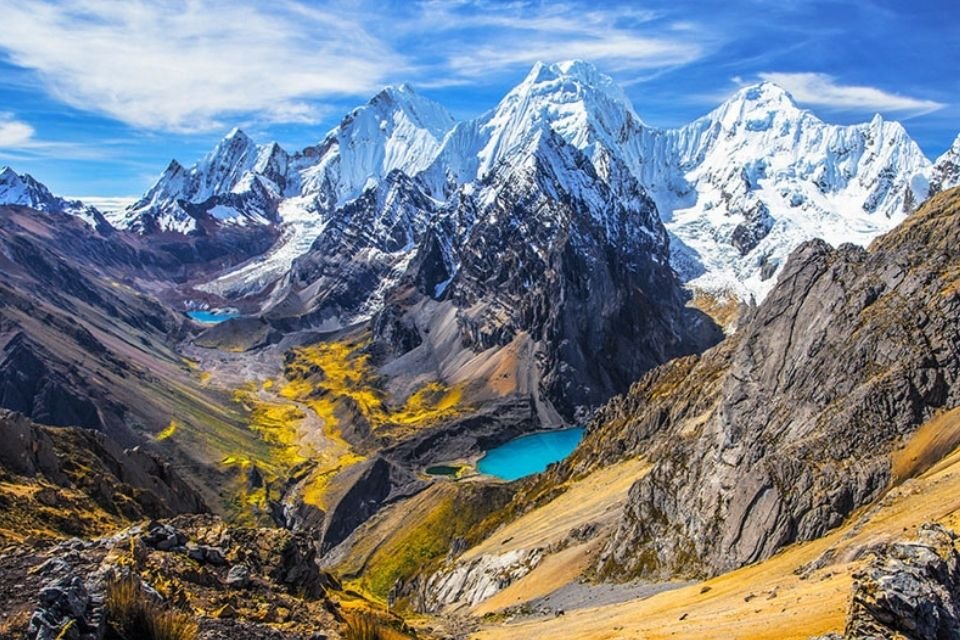
At Andeando Peru, we’ve seen it all. We’ve guided elite trail runners who fly through the 120km loop, and we’ve supported photographers who want to spend three hours capturing the reflection of Yerupajá in Lake Carhuacocha.
But here’s the thing: the “best” duration isn’t about your fitness level alone. It’s about your acclimatization strategy and how much “Type 2 fun” you’re actually willing to endure. Let’s be brutally honest for a second: rushing the Huayhuash is the fastest way to turn a dream trip into a blurry montage of gasping for air and staring at your boots.
The 8-Day “Express” Reality
The 8-day itinerary is the “standard” for many local agencies, but “standard” doesn’t mean easy. This pace requires you to cover significant vertical gain every single day without a break.
-
The Vibe: High-energy, athletic, and focused.
-
The Challenge: You’ll be hitting passes like Cacananpunta (4,700m) and Punta Carhuac (4,650m) in back-to-back succession with zero rest days.
-
Who it’s for: Experienced trekkers with rock-solid cardio who have already spent at least 3-4 days acclimatizing in Huaraz before starting.
I remember a group of ultra-marathoners from Colorado who took the 8-day route. They were fast, sure, but by day 6 at Punta Cuyoc, the cumulative fatigue was visible. They reached the campsites early, but they were too wiped out to enjoy the sunset over the Cordillera Raura.
The 10-Day “Immersive” Experience
This is our gold standard at Andeando Peru. Adding those two extra days changes the entire DNA of the trek. It’s not just about “walking slower”; it’s about strategic recovery.
- The Vibe: Exploratory, photographic, and deeply rewarding.
- The Secret Sauce: Usually, a 10-day trek includes a rest day at Huayllapa or an extra night at the stunning Carhuacocha camp.
- Who it’s for: Anyone who wants to actually see the mountains they paid thousands of dollars to visit. If you’re a photographer or someone who enjoys a second cup of coffee while watching the morning mist rise off the glaciers, this is your pace.
Side-by-Side: The Brutal Stats
To help you decide, let’s look at how these two options stack up logistically.
Feature 8-Day Circuit 10-Day Circuit Avg. Daily Hiking 7–9 hours 5–7 hours Rest Days 0 (Non-stop) 1 (Huayllapa) Side Trips Minimal Cerro San Antonio included Physical Demand 9/10 7/10 Local Tip: If you choose the 10-day option, make sure your itinerary includes the climb to Cerro San Antonio (5,020m). The view of the “Big Three”—Yerupajá, Siula Grande, and Sarapo—is arguably the best in the entire Andes.
Common Hurdles: Altitude and Logistics
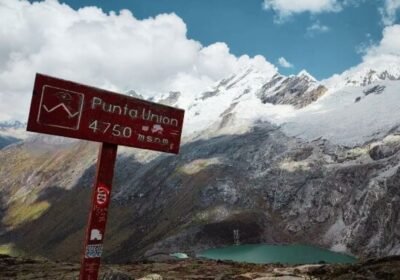
Now, you might be wondering: “If I’m fit, can’t I just power through the 8-day?” The Andes don’t care about your gym stats. Altitude is the great equalizer. The biting 4 AM alpine wind at Punta Unión feels a lot heavier when your red blood cells are struggling to keep up.
The Huayhuash is wild, which is why our AGMP-certified guides always pack emergency oxygen and a satellite phone. However, with our preferred 10-day pace, we find that trekkers rarely need it. The slower ascent allows your body to adapt naturally, significantly reducing the risk of soroche (altitude sickness).
❓ Quick Answers for the Huayhuash Reality Check
Is the 10-day trek much more expensive?
Slightly. You’re paying for two extra days of food, donkey transport, and guide fees. However, when you calculate the “cost per hour of enjoyment,” the 10-day trek actually offers much better value.
Can I charge my phone on the trail?
There are no power outlets in the heart of the Huayhuash. We always tell our guests: bring two high-capacity power banks (20,000mAh+) and keep them inside your sleeping bag at night to prevent the cold from draining the battery.
What happens if I can’t finish the trek?
The Huayhuash is remote. “Opting out” mid-way often involves a multi-day horse ride back to civilization. This is why we vet our hikers’ acclimatization levels in Huaraz before we ever leave the trailhead.
Planning Your 2026 Adventure
Planning a logistics-heavy trek from thousands of miles away is overwhelming. That’s why our local team in Huaraz handles every detail. We don’t just book a tour; we craft a mountain experience that respects the scale of the Cordillera Huayhuash.
Ready to see the “Shadow of the Siula Grande” for yourself?