Trekking the Cordillera Huayhuash Solo vs. Guided: A Cost and Risk Breakdown
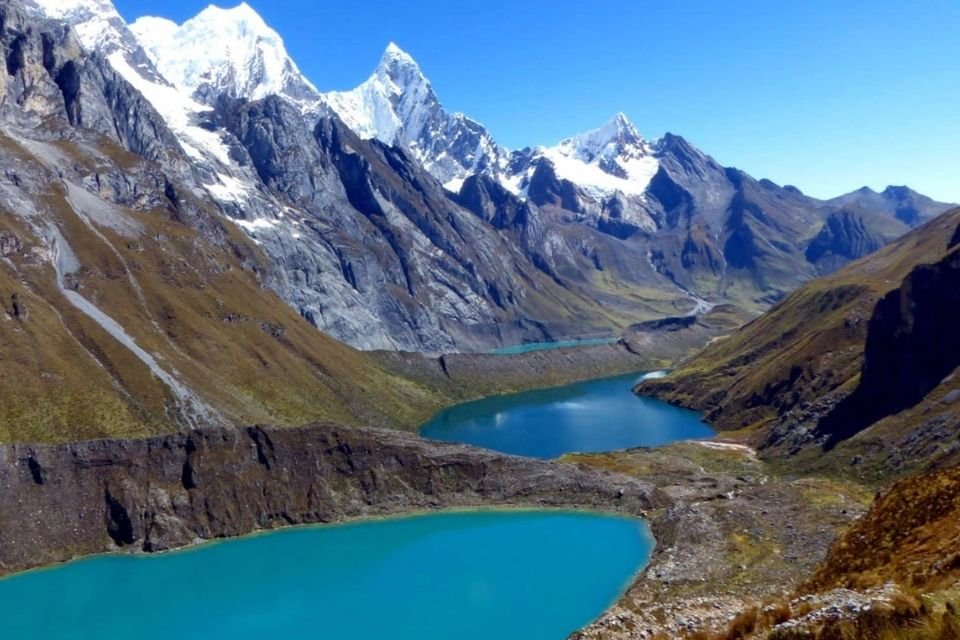
At Andeando Peru, we respect the solo spirit. We really do. There’s something primal about carrying your own house on your back through the “Shadow of the Siula Grande.” But here’s the thing: the line between a life-changing solo adventure and a $10,000 emergency evacuation is incredibly thin at 5,000m (16,400ft).
Let’s be brutally honest for a second: the Huayhuash is not a place to “find yourself” if you’ve never handled a multi-day scree slope in a whiteout. Trust me on this one, I’ve seen solo hikers stranded at Punta Cuyoc because they couldn’t find the trail in a sudden afternoon hail storm.
The Solo Gamble: Cheap but Heavy
Going solo is the ultimate test of self-reliance. You control the pace, the camp, and the menu. But that freedom comes with a literal weight.
- The Vibe: Extreme solitude and total autonomy.
- The Reality: Your pack will likely weigh 20kg – 25kg (45-55 lbs). Carrying that over eight passes, all above 4,600m, is a different kind of “Type 2 fun.”
- The Hidden Logistics: You aren’t just hiking; you’re a full-time logistics manager. You have to negotiate camp fees in Quechua-tinted Spanish and manage your own waste in a fragile ecosystem.
The Guided Advantage: Peace of Mind
At Andeando Peru, we don’t just “show you the way.” We handle the invisible infrastructure that makes the Huayhuash enjoyable instead of just endurable.
- The Vibe: Immersive, educational, and physically sustainable.
- The “Luxury” of Health: While solo hikers are eating cold protein bars, our trekkers are eating hot, high-calorie Andean stews. In the thin air, nutrition is the difference between summiting Cerro San Antonio and staying in your tent with a migraine.
- The Safety Net: Our AGMP-certified guides know every bypass and emergency exit. If you twist an ankle solo at Lake Viconga, you are in serious trouble. With us, we have rescue horses ready.
Side-by-Side: The Brutal Comparison
Let’s break down the actual costs and the very real risks you’ll face between May and September.
| Feature | Solo (Self-Supported) | Guided (Andeando Peru) |
|---|---|---|
| Est. Cost (10 Days) | $300 – $500 (Fees & Food) | $1,200 – $1,800 (Full Service) |
| Pack Weight | 20kg+ (Everything) | 5kg – 7kg (Daypack only) |
| Navigation | GPS/Map (High stress) | Expert Local Guide |
| Emergency Support | Self-rescue only | Oxygen & Rescue Horses |
Local Tip: Don’t forget the “Community Fees.” Even solo hikers must pay around S/ 250 – S/ 300 ($80 USD) in cash at various checkpoints. If you’re with us, we handle all these permits and payments for you.
❓ Clearing Your Doubts: The Huayhuash Reality Check
Is it safe for solo women?
Generally, yes, the communities are respectful. However, the physical risk is the bigger factor. Most solo female travelers we meet in Huaraz eventually join our groups for the social safety and to avoid the 25kg pack burden.
Can I just hire a donkey and no guide?
You can hire an arriero, but they are not guides. They handle the animals, not your navigation or medical safety. If you get altitude sickness, a typical arriero isn’t trained to provide medical intervention or emergency O2.
Which is better for photography?
Guided, 100%. Solo trekkers are often too exhausted from the pack weight to set up a tripod at sunset. With donkeys carrying the load, you have the energy to capture the Milky Way over Yerupajá.
The Verdict: How Much is Your Trip Worth?
Planning a solo trek from thousands of miles away is a massive logistical puzzle. You have to source fuel, maps, and gear that won’t fail you in a sub-zero Andean night. Our local team in Huaraz takes that burden off your shoulders—literally.
Ready to trek the Huayhuash without the heavy lifting?